

2026/07/17
NPI Special Seminar "When the Foundations of the International Order Are Shifting: Interdependence, Institutions, and Cooperation Reconsidered" held on July 1, 2026
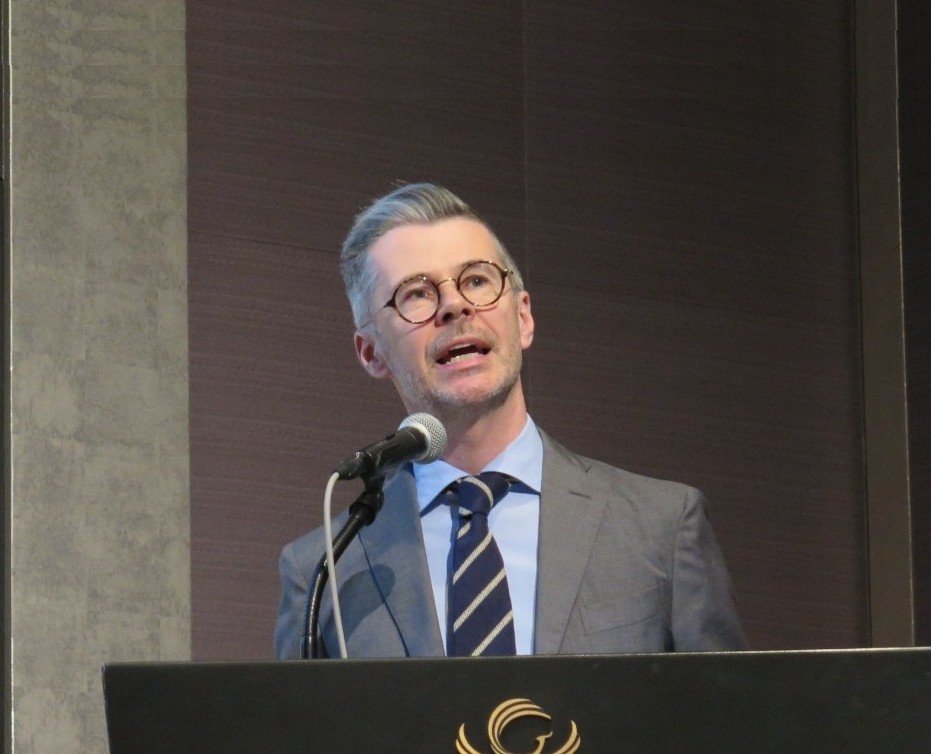
Mr. Ward of the IISS delivered the keynote address.
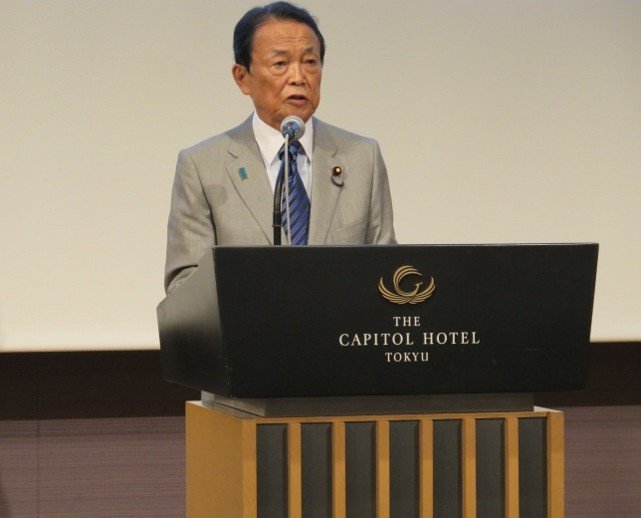
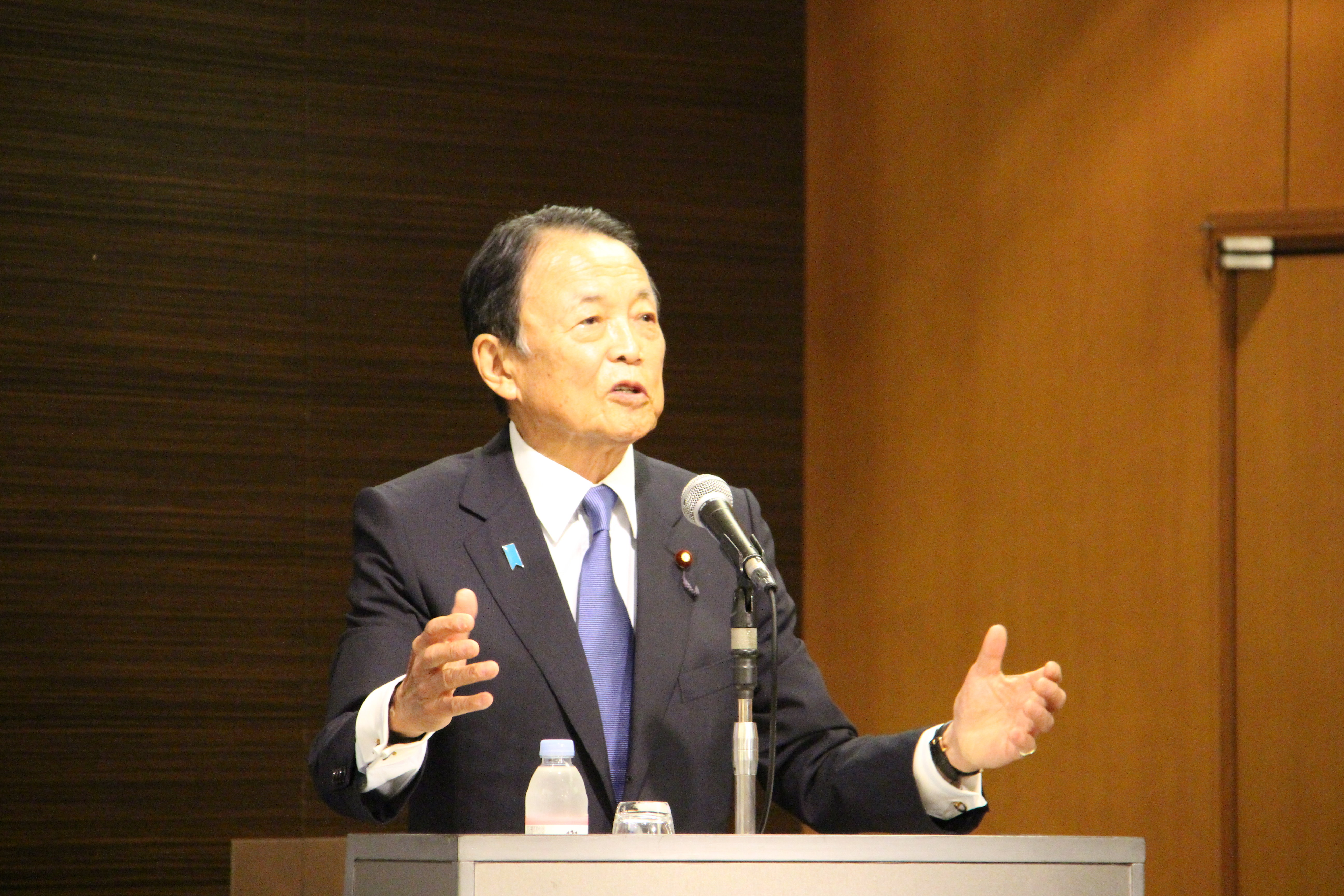
Chairman Aso delivering the opening remarks.
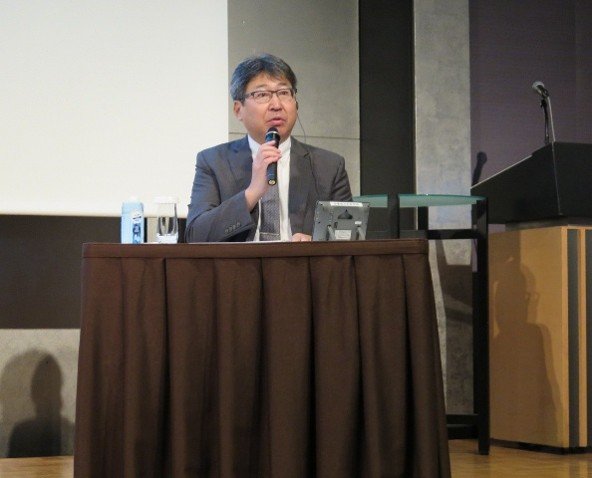
Professor Shin Kawashima serving as moderator
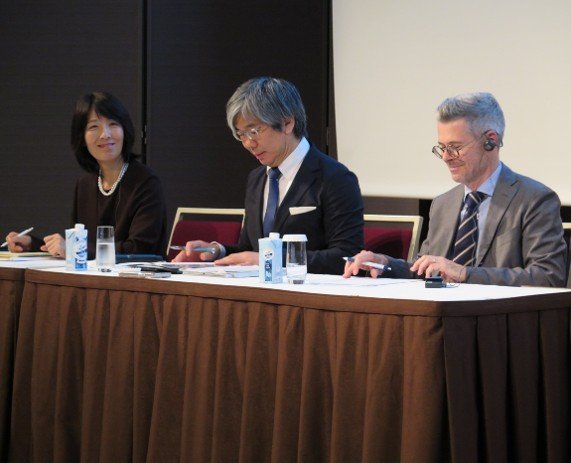
Scenes from the panel discussion
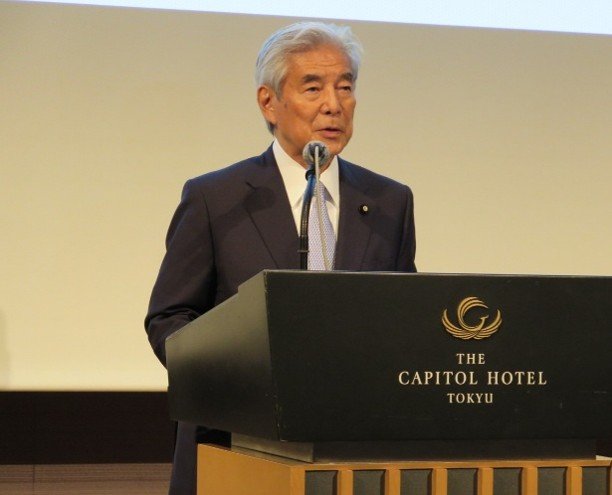
President Nakasone delivering the closing remarks
On July 1, 2026, The Nakasone Peace Institute (NPI), in cooperation with the International Institute for Strategic Studies (IISS), hosted a special seminar at The Capitol Hotel Tokyu.
Against the backdrop of intensifying U.S.-China competition and the growing importance of economic security, the foundations of the international order--interdependence, institutions, and cooperation─are undergoing profound change. The seminar featured a keynote address by Mr. Robert Ward, Japan Chair and Director of Geoeconomics and Strategy, IISS, followed by a panel discussion with leading Japanese experts. Discussions focused on the role of middle powers and the prospects for Japan-UK and Japan-Europe cooperation in navigating the evolving international environment.
In his opening remarks, NPI Chairman Taro Aso emphasized that uncertainty has become a permanent feature of the international environment and that Japan must address security, economic security, and technology as interconnected challenges. He also expressed his hope that the seminar would help strengthen coordination and shared understanding between government and the private sector.
Keynote Address
Mr. Robert Ward argued that developments such as the Russia-Ukraine war, tensions in the Middle East, and intensifying U.S.-China competition have created a new strategic order in which economics has become a domain of conflict.
He noted that China's industrial policies, expanding export controls, and what he described as "our neo-mercantilist age" have made economic security a critical issue not only for governments but also for corporate management. He further argued that Japan, the United Kingdom, the European Union, and ASEAN member states, as Middle Powers, must maintain their autonomy while navigating relations between the two superpowers, the United States and China.
Mr. Ward also highlighted Japan's evolving role as a pivotal Global Middle Power and stressed that Japanese companies should incorporate geopolitical risks into their business strategies while developing a corporate foreign policy and greater strategic agility. He emphasized that economic actors can no longer regard geopolitics as external to business decision-making.
Panel Discussion
The panel discussion was moderated by Professor Shin Kawashima, Senior Fellow at NPI, and featured Ms. Sayuri Ito, Senior Executive Director of the NLI Research Institute, Professor Yuichi Hosoya, Senior Fellow at NPI, and Mr. Robert Ward.
Professor Hosoya argued that defending the international order requires more than preserving existing rules. Amid intensifying geopolitical competition and rapid technological change, he emphasized the need to update the rules-based order. He stressed that Japan cannot achieve this alone and must work closely with trusted partners, particularly the United Kingdom, to shape international norms and institutions.
Ms. Ito examined Europe's efforts toward double de-risking, aimed at reducing excessive dependence not only on China but also on the United States. She argued that Japan should strengthen cooperation with Europe, middle-power countries, and partners in the Global South in order to expand its strategic options and enhance its long-term resilience.
The discussion also covered a wide range of issues, including economic security, resilient supply chains, advanced technology cooperation, the Free and Open Indo-Pacific (FOIP), and cooperation among middle powers. Participants exchanged views on how countries can respond to a fragmented and increasingly uncertain international environment.
Conclusions
Participants broadly agreed that the current international environment should be understood as a new normal rather than a temporary disruption.
The discussion underscored the importance of maintaining autonomy while deepening cooperation with trusted partners. Rather than relying on a single overarching framework, countries should pursue modular cooperation, working with different partners depending on the specific challenge at hand. Such flexibility was viewed as essential for responding to increasingly complex security and economic challenges.
Participants also highlighted the strong complementarity between Japan, the United Kingdom, and Europe in fields such as economic security, advanced technologies, and international rule-making. There was broad agreement that stronger middle-power cooperation will play an increasingly important role in shaping the future global order.
In his closing remarks, NPI President Hirofumi Nakasone noted that the keynote address and panel discussion provided valuable insights into the transformation of the international order, the growing influence of China, and Japan's evolving role in global affairs. He reaffirmed NPI's commitment to strengthening cooperation with leading overseas think tanks and advancing research and policy recommendations in the fields of diplomacy, security, and economic security.
Speakers and Panelists
◆Keynote Speaker
- Robert Ward
Japan Chair, Director of Geo-economics and Strategy, IISS - Shin Kawashima
Senior Fellow, The Nakasone Peace Institute (NPI) - Sayuri Ito
Senior Executive Director, NLI Research Institute - Yuichi Hosoya
Senior Fellow, The Nakasone Peace Institute (NPI) - Robert Ward
Japan Chair, Director of Geo-economics and Strategy, IISS
◆Panel Discussion
Moderator
Panelists